Lehrveranstaltungen für Studenten
Heimische Bienenvielfalt
Vorlesung mit Seminar, Praktikum und Exkursion
Blockveranstaltung | SS 2026 | 18.5. - 12.6.2026 | 12:30 -15:0 Uhr |
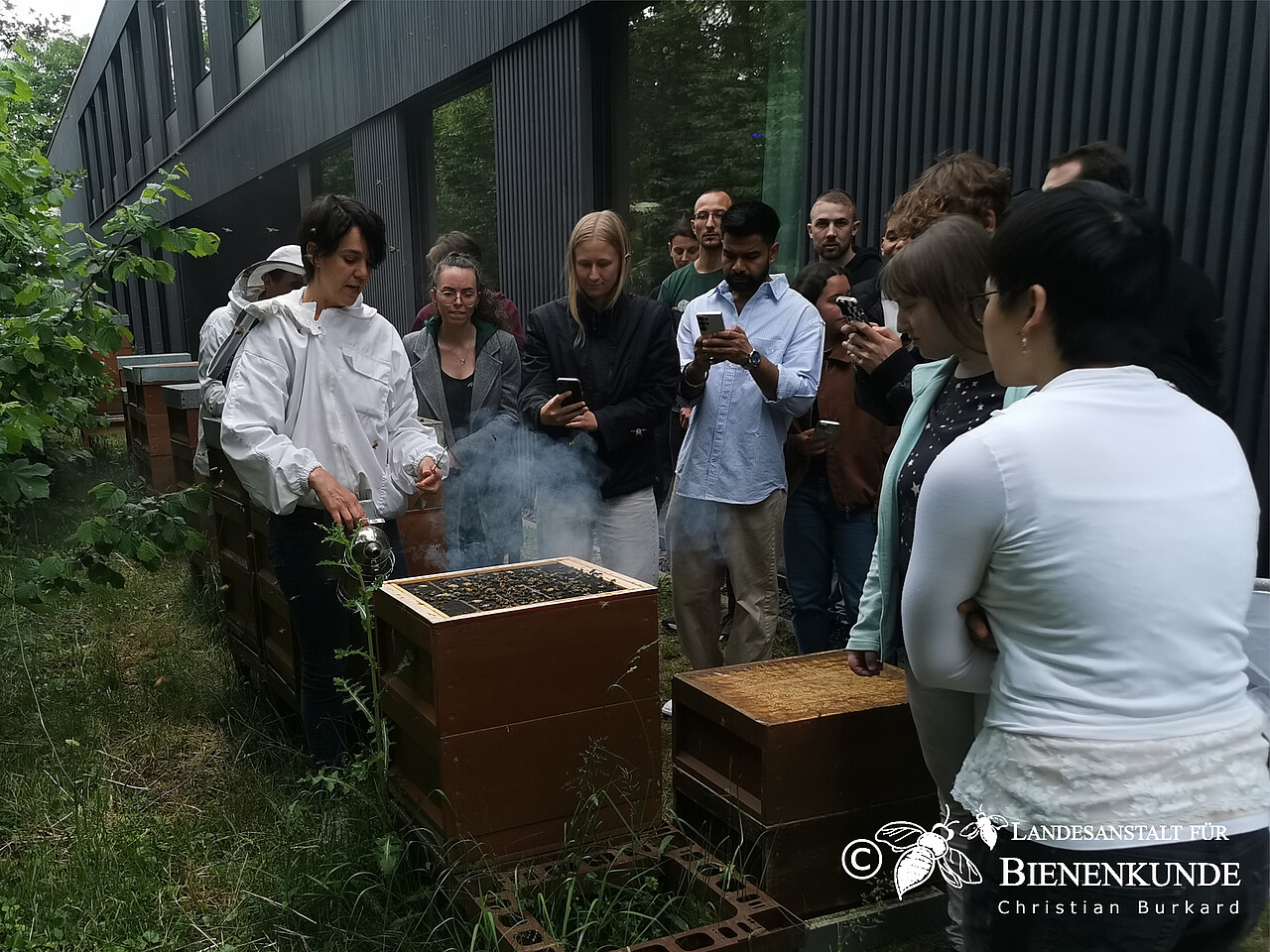
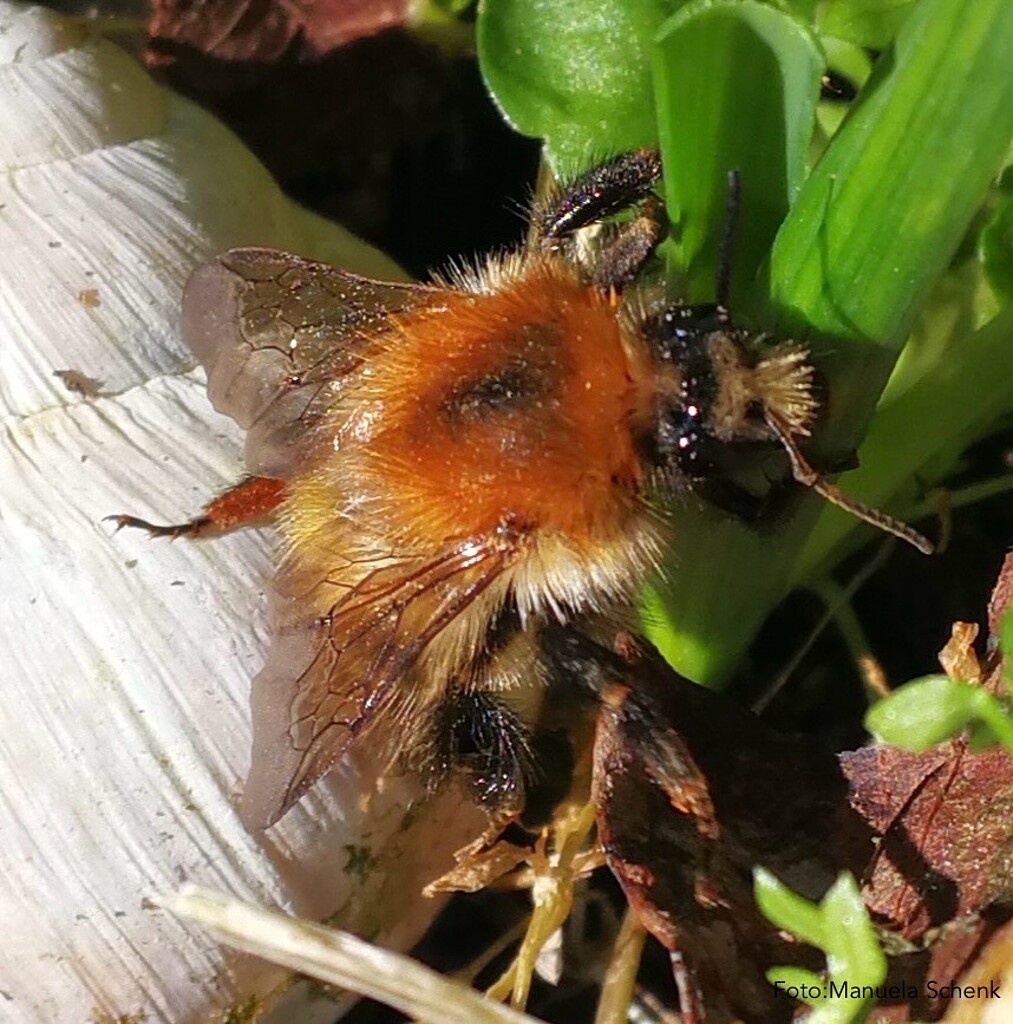
Der Kurs beinhaltet eine Einführung in die Naturverbundenheit und den 5-Pfad-Rahmen - ein evidenzbasierter Ansatz zur Stärkung der Beziehung zur Natur. Als Teil des Kurses werden die Teilnehmer gebeten, zu Beginn, während und am Ende des Kurses eine Umfrage (~10 Minuten) auszufüllen. Die Umfrage wird anonym und vertraulich behandelt. Der Kurs beinhaltet praktische Übungen, in denen die Vielfalt und Taxonomie der Wildbienen besprochen wird, sowie Exkursionen über den Campus, um den Lebensraum und die Vielfalt der Bienen zu untersuchen. Es werden Leitfäden zur Identifizierung verschiedener Bienenfamilien besprochen und die Schlüssel zu verschiedenen Bienengattungen erläutert. Die Teilnehmer lernen die Grundlagen der Probenvorbereitung kennen und bereiten während des Kurses ihre eigenen Proben vor.
The course will include an introduction to nature connectedness and the 5-pathway framework - an evidence-based approach for strengthening a relationship with nature. As part of the course, participants will be asked to complete a survey (~10 minutes) at the start, during and end of the course. The survey will remain anonymous and confidential. The course will include hands-on sessions, where wild bee diversity and taxonomy is discussed as well as excursions across campus to investigate bee habitat and diversity. Guides for identifying different bee families will be discussed and the keys to different bee genuses elucidated. Students will learn the basics of sample preparation and prepare their own specimen during the course.
Honey bee research and beekeeping techniques
Vorlesung mit Übung und Praktikum
Blockveranstaltung | SS 2026 | 8.6. - 3.7. |
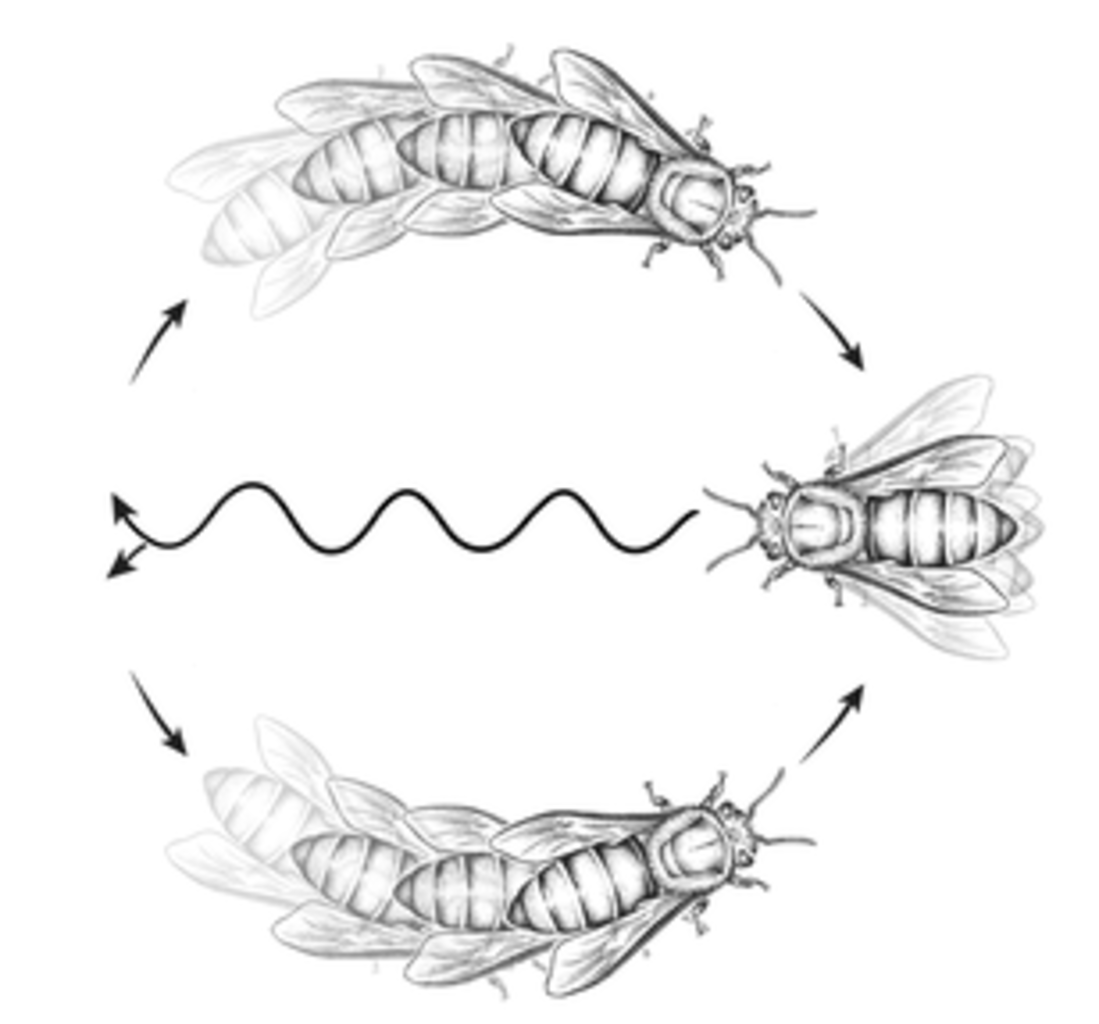
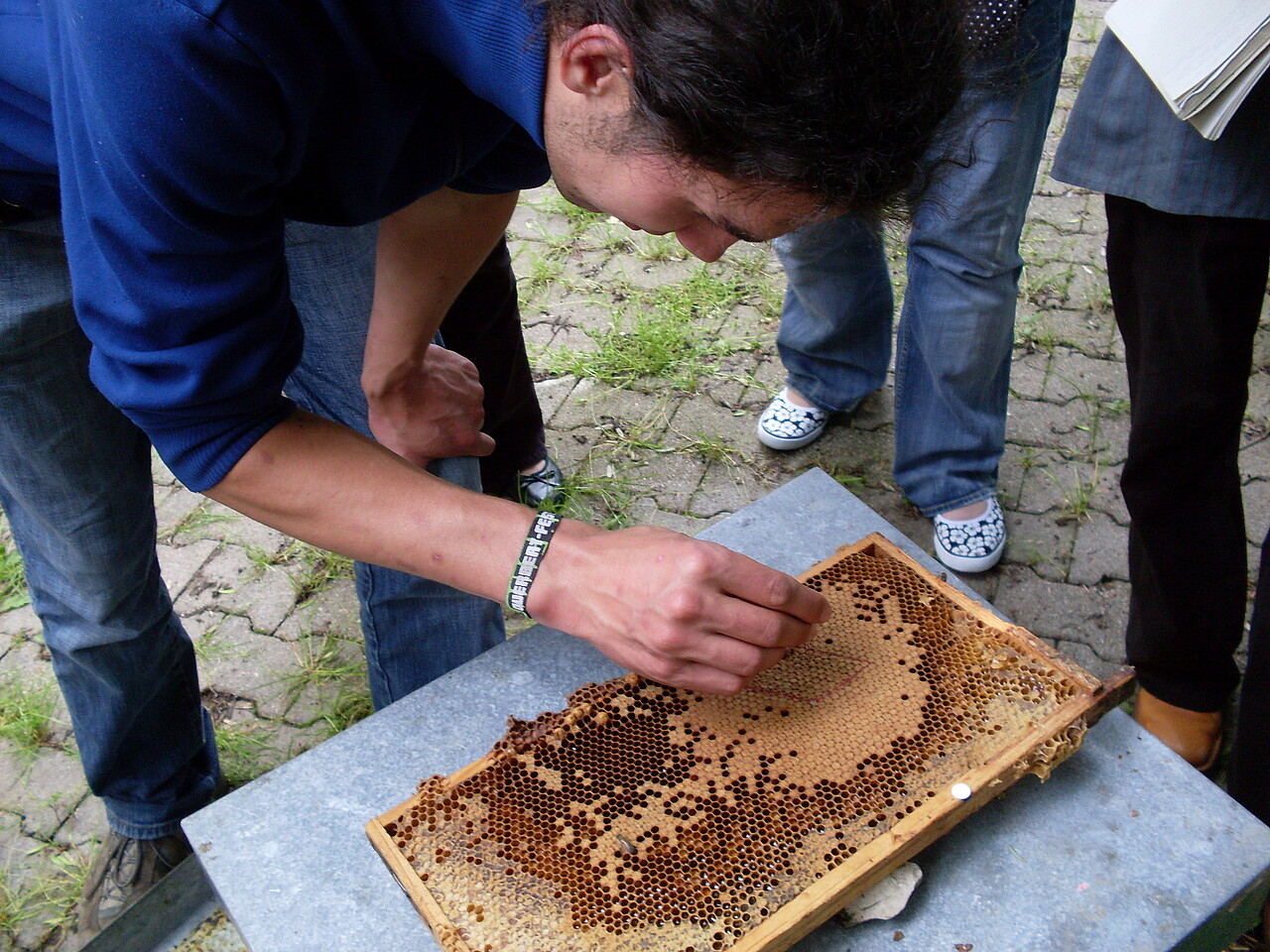
General life cycles of social insects with a focus on honey bees. Anatomy, function, and development of honey bee colony members (queen, worker, drone). Communication and self-regulatory processes in the "superorganism" of a honey bee colony; population dynamics during the season and implications for behavior. Bee pathology: important bee diseases and parasites, including methods of control. Bee products: Honey, pollen, wax, propolis. Honey harvesting and extracting, honey components and quality control, and analysis of residues. Important nectar and pollen sources, pollination, ecology, and potential problems with exposure to pesticides. Bee breeding: Genetic characteristics, breeding objectives, queen rearing methods. Beekeeping: history, techniques, hives, equipment. Hands-on experiences: independent opportunities to work a bee hive and learn important beekeeping techniques: colony assessment, honey production and extraction, feeding, and prevention and control of bee diseases. Planning and conducting scientific experiments using current methods such as population estimates of bee colonies, testing of potential varroa control methods, testing of pesticide toxicity, quality testing of honey (chemical-physical analysis methods incl. HPLC techniques), residue analysis (incl. gas chromatographic and GC-MS techniques), chemical communication (incl. bioassays and chemical trace analysis). The material will be taught in English. We will read current scientific literature and discuss the papers in English. The lecturers are bilingual and will help all participate by translating where there is ambiguity.